Metal Filter Mesh: The Unseen Hero Solving Industrial Filtration Challenges
Tackling Industrial Filtration Woes with a Proven Solution
In industries from chemical processing to food production, one problem looms large: ineffective filtration. Fiberglass filters degrade under high heat, polypropylene media tear under pressure, and disposable options hike costs—while risking contamination or equipment damage. For engineers, plant managers, and manufacturers, finding a filtration solution that balances durability, precision, and long-term value is a constant struggle.
This is where metal filter mesh emerges as a proven and often indispensable solution. Over decades, its unique blend of strength, versatility, and reusability has made it a go-to choice for critical applications worldwide. Let’s explore why it’s earned this reputation—and how it might transform your operations.
What is Metal Filter Mesh?
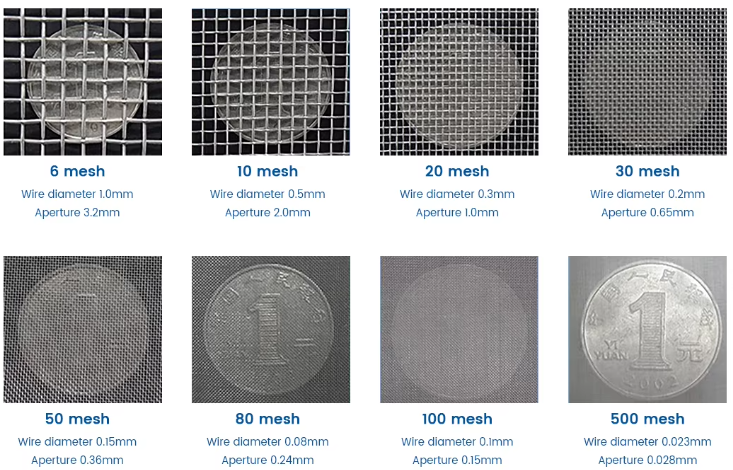
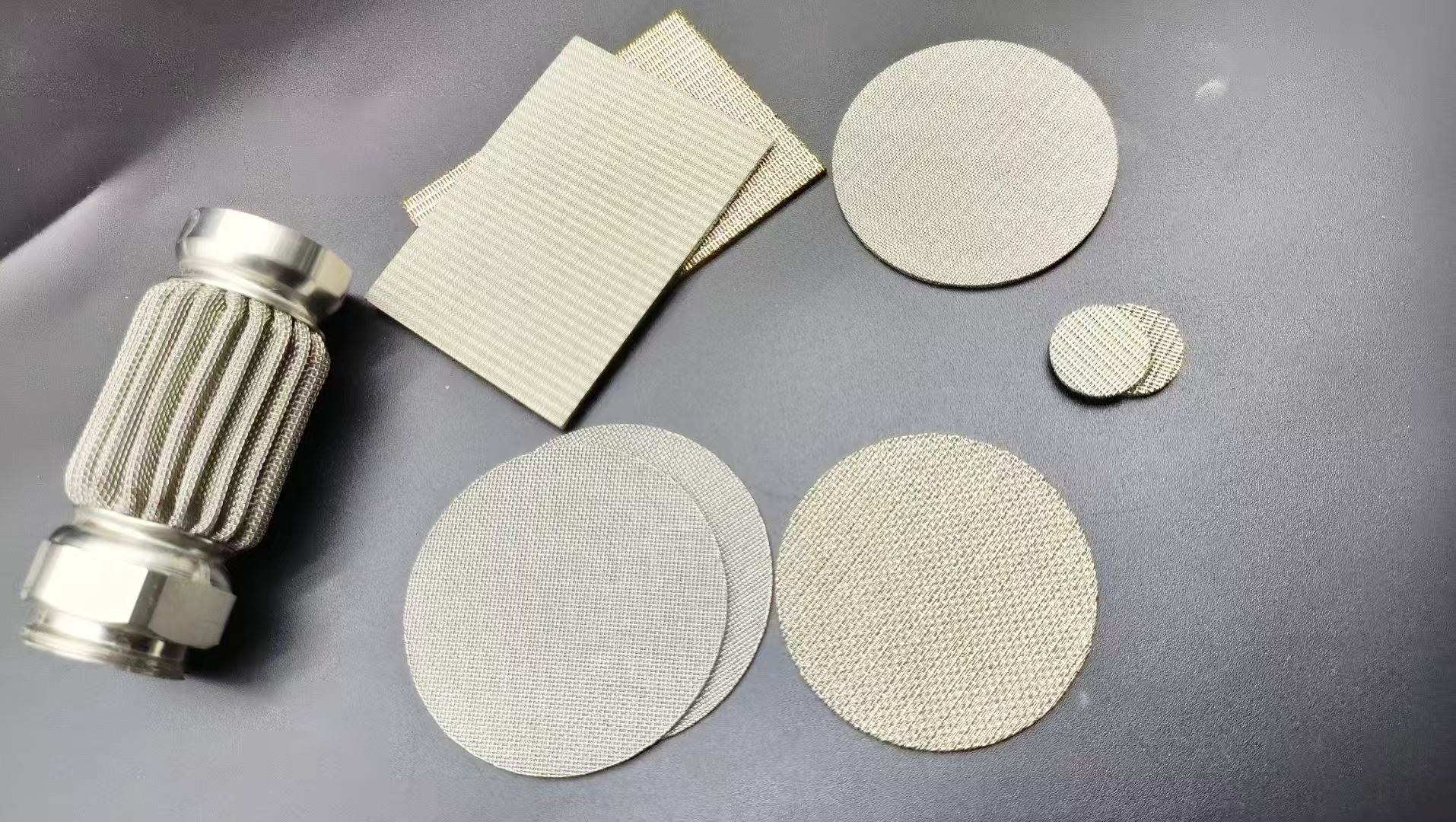
Metal filter mesh is a filtration material made by weaving, welding, or sintering metal wires into precise, porous structures. Unlike fragile fabrics or single-use plastics, it leverages the durability of metals like stainless steel, aluminum, or nickel alloys to capture contaminants while allowing fluids or gases to pass through.
Common materials include corrosion-resistant stainless steels (e.g., 304 or 316 grades), known for their tensile strength and ability to withstand extreme temperatures. These wires are woven into tight, uniform patterns (like plain, twill, or Dutch weaves) to achieve specific pore sizes—ranging from ultra-fine (0.1μm, or micrometers, to filter bacteria) to larger openings (10mm for capturing debris).
Why Choose Metal Filter Mesh Over Traditional Alternatives?
Let’s break down its key advantages over less durable options:
1. Built to Last: Durability in Harsh Conditions
Fiberglass or paper filters crumble under high heat (think boiler systems) or corrosive chemicals (like sulfuric acid in chemical plants). Metal filter meshes, however, thrive where others fail:
- Heat resistance: Stainless steel meshes withstand up to 800°C (1,472°F), making them ideal for exhaust systems or metallurgical processes.
- Corrosion resistance: 316 stainless steel (with molybdenum) resists chloride-induced pitting—critical for marine environments or food processing (where saltwater or acidic cleaners are common).
- Abrasion resistance: Metal wires don’t fray or tear like fabric, even in high-velocity flows or particle-heavy airstreams.
2. Cost Savings Over Time: Reusability That Adds Up
Disposable filters force constant replacements, inflating long-term costs. Metal filter meshes, by contrast, can be cleaned and reused—often dozens of times. For example, a food processing plant using our stainless steel mesh to filter cooking oil reported a 70% reduction in annual filtration costs after switching from paper filters. Simply backflush, hose down, or use ultrasonic cleaning to restore performance.
3. Precision Meets Versatility
Need to capture particles as small as bacteria (0.2μm) or filter large debris from wastewater? Metal filter meshes adapt to your needs. Adjust wire diameter, weave density, or layer configuration to target specific contaminants. They’re used across industries:
- Oil & gas: Filtering drilling mud in rigs.
- Pharmaceuticals: Clarifying vaccines without fiber contamination.
- Automotive: Protecting hydraulic systems from metal shavings.
Where Is Metal Filter Mesh Making a Difference?
From heavy industry to everyday applications, these meshes are quietly keeping operations running smoothly:
- Industrial Manufacturing: Sintered metal filters in European automotive plants protect engine oil systems, reducing component wear by 40% and extending oil change intervals.
- Environmental Protection: A water treatment facility in Southeast Asia uses 316L stainless steel meshes to remove sediment from river water, cutting maintenance frequency by half.
- Food & Beverage: Breweries rely on metal meshes to clarify wort without leaving fiber residues, preserving the purity of their final product.
How to Choose the Right Metal Filter Mesh for Your Needs
Selecting the perfect mesh depends on three key factors:
- Filtration Precision: Match the pore size to your target contaminant. For example, 5μm pores capture fine dust in HVAC systems, while 100μm meshes handle large debris in construction runoff.
- Operating Environment: High temps? Opt for 310S stainless steel. Corrosive chemicals? 316L is non-negotiable. Heavy flow? Choose a dense weave to prevent clogging.
- Mechanical Demands: High-pressure systems need rigid, welded meshes; low-pressure setups may work with lighter, woven options.
Maximizing Your Metal Filter Mesh’s Lifespan
To get the most out of your investment, follow these simple steps:
- Clean regularly: Use mild detergents for organic contaminants; avoid harsh chemicals that could weaken the metal.
- Install with care: Avoid over-tightening to prevent deformation—especially for thin-wire meshes.
- Inspect periodically: Check for signs of wear, such as stretched wires or rust spots, and replace damaged sections promptly.
Conclusion: Why Metal Filter Mesh Matters for Modern Industry
In high-stakes industrial environments where downtime is costly and failure is not an option, metal filter mesh has repeatedly proven its worth. Its unique combination of durability, reusability, and precision filtration makes it a cornerstone technology across sectors—from protecting sensitive machinery to ensuring environmental compliance and product purity.
Consider this: A single metal filter mesh can outlast dozens of disposable alternatives, saving money and reducing waste. For over 20 years, we at Duozhuang Wire Mesh Factory have worked closely with industries to refine this technology, driven by the challenges our customers face. We understand that whether you’re filtering molten metal, safeguarding sensitive equipment, or ensuring pure air quality, the right metal mesh solution needs to deliver uncompromising performance and longevity.
If the limitations of traditional filters are impacting your operations, exploring metal filter mesh could be a pivotal step. To learn more about how different mesh types, materials, and weaves might address your specific needs, check out our guide to industrial filtration solutions or reach out to our team for a free consultation.
For industries pushing the boundaries of performance and efficiency, metal filter mesh isn’t just a component—it’s a reliable partner in maintaining efficiency, protecting assets, and ensuring quality.


评论
发表评论